比特币云挖矿
了解云挖矿的工作原理,比较商业模式,并学习在投资前如何评估提供商。
什么是比特币云挖矿?
从远程数据中心租用算力,而不是购买和运行自己的硬件
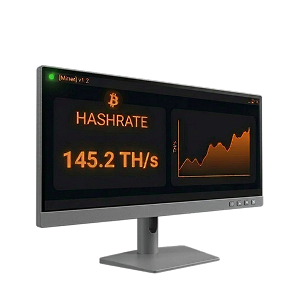 仪表盘
算力、正常运行时间、收益
仪表盘
算力、正常运行时间、收益
 比特币支付
存入您的账户
比特币支付
存入您的账户
 真实硬件?
这些机器真的存在吗?
真实硬件?
这些机器真的存在吗?
 真正在挖矿?
您的算力是真实的吗?
真正在挖矿?
您的算力是真实的吗?
无需硬件的挖矿
比特币云挖矿让您从拥有和运营远程数据中心挖矿设备的公司购买算力。您支付合约费用(通常按太哈希定价),并获得所挖比特币的份额,扣除电力和维护费用。
为什么存在
不是每个人都能购买 2000 美元以上的 ASIC 矿机、找到便宜的电力、管理散热和噪音,以及全天候维护硬件。云挖矿将这些复杂性抽象化,让任何人都可以付费参与挖矿。
核心权衡
如果一家公司可以用自己的硬件盈利地挖比特币,为什么要把算力卖给你?答案通常涉及资本:提供商通过出售合约筹集资金,用客户付款来资助设备和运营。理解这种动态是评估任何云挖矿报价的关键。— 云挖矿经济学
云挖矿出现于 2010 年代初期,当时比特币挖矿正从业余爱好者的 CPU 和 GPU 过渡到专用 ASIC 硬件。随着盈利挖矿所需的设备成本和技术专业知识不断增加,云挖矿承诺实现访问民主化。任何人都可以购买代表远程设施中算力份额的"合约"。
如今,该行业已发展为三种不同的模式。传统云挖矿出售算力合约,提供商拥有一切。托管挖矿让您购买实际硬件,在第三方设施中运行。而像 NiceHash 这样的算力市场直接连接买家和卖家。每种模式都有不同的风险特征和经济性。
在购买任何云挖矿合约之前,重要的是要了解商业模式和该行业的历史。以下部分将详细介绍这些服务的工作原理、如何比较它们,以及在评估提供商时需要注意什么。
三种挖比特币的方式
云挖矿、托管挖矿和自挖矿各自在成本、控制和风险方面有不同的权衡
云挖矿
购买算力合约。提供商拥有并运营所有硬件。
- 硬件所有权
- 否
- 前期成本
- 低($50+)
- 技术技能
- 无需
- 您的控制权
- 无
- 对手方风险
- 最高
- 费用开销
- 最高
托管挖矿
购买自己的 ASIC,付费给设施来托管和运行。
- 硬件所有权
- 是
- 前期成本
- 中等($2,000+)
- 技术技能
- 低
- 您的控制权
- 有限
- 对手方风险
- 中等
- 费用开销
- 中等

自行挖矿
购买硬件并在家中或自己的设施中自行运行。
- 硬件所有权
- 是
- 前期成本
- 最高($2,000+)
- 技术技能
- 高
- 您的控制权
- 完全
- 对手方风险
- 无
- 费用开销
- 无
云挖矿如何运作?
从购买合约到收到比特币支付的过程
云挖矿流程
购买云挖矿合约后会发生什么。

选择提供商
审查合约条款、费用、期限和支付计划。

购买算力
购买合约(例如 10 TH/s 12 个月),使用比特币或信用卡支付。
提供商为您挖矿
他们数据中心中的硬件通过矿池代表您进行挖矿。
接收收益
比特币在扣除费用后存入您的账户。提现到您的钱包。
云挖矿模式
该行业使用三种不同的方法:算力合约(传统云挖矿)、托管挖矿(您拥有硬件放在他们的设施中)和算力市场(点对点买卖算力)。
需要了解的合约条款
维护费从您的挖矿收入中扣除,通常是每日扣除。如果比特币价格下跌或网络难度上升到足够程度,费用可能超过收入,合约变得不盈利。一些合约包含在发生这种情况时自动终止的条款。
风险和危险信号
云挖矿在比特币行业中拥有最差的欺诈记录。以下是需要注意的事项。
HashFlare:云挖矿欺诈案例分析
HashFlare 从 2015 年到 2019 年将自己包装为合法的云挖矿服务,吸引了 440,000 名客户。实际上,其声称的挖矿能力 99% 是伪造的。仪表盘显示虚假的性能指标,而创始人通过空壳公司转移了 5.75 亿美元。2025 年 2 月,联合创始人承认了电信欺诈和洗钱罪。— 美国司法部,2025 年 2 月
云挖矿欺诈损失
仅 HashFlare 一家就欺骗了 440,000 名投资者。云挖矿行业有着悠久的骗局、庞氏骗局和停止支付公司的历史。
需要注意的危险信号
云挖矿服务可能是欺诈的警告标志。
- 保证回报或"无风险"承诺
- 没有挖矿设施或硬件的证据
- 提现前要求不断增加的费用
- 看起来过于慷慨的推荐/介绍奖励
- 匿名团队,无可验证身份
- 没有注册的商业实体或司法管辖区
- 仪表盘显示在挖矿,但提现永远无法处理
常见骗局模式
云挖矿欺诈通常如何运作。
- 伪造挖矿:仪表盘显示与实际挖矿活动不对应的虚假算力和收益
- 庞氏结构:用新投资者的资金支付给早期投资者,制造盈利假象,直到骗局崩溃
- 预付费欺诈:用户被告知已挖出比特币,但必须支付不断增加的"税费"或"手续费"才能提现,而提现永远不会实现
- 偷梁换柱:最初以小规模进行合法挖矿,然后运营商停止挖矿并侵吞新的合约付款
比特币云挖矿的历史在很大程度上是一部欺诈史。在 2013 年到 2020 年间,数十家云挖矿公司成立、收取客户资金,最终消失或被揭露为骗局。进入门槛很低:任何人都可以建一个专业外观的网站,展示伪造的挖矿统计数据,然后出售根本不存在的算力合约。
HashFlare 的 5.75 亿美元欺诈是最大的案例,但远非唯一。Bitcoin Cloud Services 经营了一个 50 万美元的庞氏骗局。Scrypt.cc、PB Mining、Zeushash 和 Bitminer.io 都停止了向客户支付。Hashing24 运营的似乎是一个预付费提现骗局,在允许从未实现的提现之前要求不断增加的付款。
即使不是彻头彻尾的欺诈公司也经常交出不佳的成绩。云挖矿合约通常包含侵蚀回报的维护费,随着比特币网络难度的增加,相同的算力产出的比特币越来越少。许多客户发现,直接购买比特币会比购买云挖矿合约更有利可图。
如何评估提供商
考虑云挖矿或托管挖矿的人的尽职调查清单
基本尽职调查
任何合法提供商应满足的最低标准。
- 拥有可验证管辖权的注册商业实体
- 可识别的、有名有姓的领导团队
- 挖矿设施证明(照片、坐标、第三方验证)
- 购买前公布的透明费用结构
- 明确的合约条款,包括终止条件
- 提现记录:现有客户是否确实能提现?
- 在可信平台上的独立评论(不仅仅是公司自己的网站)
关键问题
在购买任何云挖矿合约之前,问问自己:用同样的钱直接购买比特币是否更好?在大多数历史案例中,答案是肯定的。— 云挖矿盈利能力分析的一致发现
上市公司优势
上市的云挖矿公司(如纳斯达克上的 BitFuFu)必须向 SEC 提交经审计的财务报表,披露收入、算力和重大风险。这并不能消除风险,但提供了私人云挖矿运营无法匹敌的透明度和法律问责水平。
验证,不要信任
与硬件制造商(如 Bitmain、BitFury)的合作声称应该被独立验证。一些已倒闭和欺诈性的服务声称拥有重大合作关系,但事实证明是捏造或夸大的。检查被声称的合作伙伴的网站以确认。
活跃提供商
目前运营中的服务。列出不构成背书。
云挖矿存在重大风险。在向任何提供商汇款之前,请自行研究。
 marketplace
NiceHash
访问 NiceHash
NiceHash is a hashpower marketplace connecting buyers and sellers of mining capacity. Buyers purchase hash rate on demand with a pay-as-you-go model; sellers connect their mining hardware to NiceHash pools and earn Bitcoin. Operating since 2014, EU-registered, GDPR and AML compliant.
- 成立时间
- 2014
- 模式
- Pay-as-you-go
- 最低投资
- ~$10
 hosted
Compass Mining
访问 Compass Mining
Compass Mining is a US-based hosted mining company that lets customers purchase ASIC miners and host them in third-party facilities. Operates across 20+ sites with 160+ MW of capacity at 7.5-9.5 cents per kWh.
- 成立时间
- 2020
- 模式
- Hardware + hosting
- 最低投资
- ~$2,000+
 cloud
cloud
BitFuFu
访问 BitFuFu
BitFuFu (NASDAQ: FUFU) is a publicly traded cloud mining company offering hash rate contracts backed by Bitmain hardware. Reports 26 EH/s of hash rate as of February 2026. As a NASDAQ-listed, SEC-filing company, it offers more accountability than private cloud mining operations.
- 成立时间
- 2020
- 模式
- Hash rate contracts
- 最低投资
- Varies
已知骗局和已停运服务
欺骗了客户或不再运营的公司
已确认的骗局
这些服务欺骗了客户或完全停止了支付。
- HashFlare: HashFlare was a $575 million fraud. The co-founders fabricated 99% of claimed mining capacity, showing fake dashboard performance to approximately 440,000 investors. They pleaded guilty to wire fraud and money laundering in February 2025.
- Hashing24: Hashing24 operates an advance-fee withdrawal scam. Users report paying $200-$500 initially, then being asked for $1,320, then $2,000 in escalating 'fees' before withdrawals are allowed — which never materialize. Claims of BitFury partnerships are unverified. Flagged by Scamadviser.
- Scrypt.cc: Scrypt.cc sold cloud mining hash rate (KHS) and claimed to allow real-time trading. The service stopped paying out and is no longer operational. Do not send funds to this service.
- PB Mining: PB Mining (Piggyback Mining) claimed to operate Bitcoin mining ASICs and offered 'insured' contracts. The service was fraudulent — contracts did not pay out as advertised and the operation shut down.
- Bitcoin Cloud Services (BCS): Bitcoin Cloud Services was a $500,000 Ponzi scheme that defrauded investors.
- Zeushash: Zeushash halted all payouts and ceased operations.
- Bitminer.io: Bitminer.io stopped paying users. Multiple users confirmed they were unable to withdraw funds.
已停运服务
这些公司不再运营。不要向其中任何一个汇款。
- Genesis Mining: Genesis Mining stopped offering new cloud mining contracts in 2021. Once the largest cloud mining provider, the company is no longer active in the consumer cloud mining space.
- Minex: Minex presented itself as a blockchain simulation game where users purchased 'Cloudpacks.' The project was abandoned and has no verifiable presence since at least 2024.
- MinerGate: MinerGate was a mining pool that also offered cloud mining. It reportedly closed in 2023 and is no longer operational.
- Hashnest: Hashnest was Bitmain's cloud mining platform, offering Antminer rentals. It was quietly discontinued and has no verifiable operations.
- Bitcoin Cloud Mining: A generic cloud mining service with no verifiable company identity. Contracts were sold out and the service is no longer operational.
- Eobot: Eobot ceased operations around 2025. Multiple sources list it among 'fallen crypto sites.' Users reported being unable to access the platform or withdraw funds.
- MineOnCloud: MineOnCloud offered Bitcoin mining contracts but operated obsolete hardware (AntMiner S4s and S5s). The service is no longer operational.