Bitcoin Mining Hardware Guide
Specialized machines called ASICs are purpose-built to mine bitcoin. Compare miners by hash rate, efficiency, and cooling type.
Evolution of mining hardware
Mining hardware has evolved dramatically since 2009, with per-machine hash rates increasing over a billion-fold.
The Genesis Era
CPU Hashrate: kH/sAt first, miners used their central processing unit (CPU) to mine, but soon this wasn't fast enough and it bogged down system resources.
First Specialization
GPU & FPGA Hashrate: MH/sMiners moved on to the graphical processing unit (GPU) and later field-programmable gate array (FPGA) processors, hashing 50–100x faster while using less power.
ASIC Revolution
ASIC Hashrate: GH/s → TH/sApplication-specific integrated circuit (ASIC) machines took over, working at unprecedented speeds compared to GPU and FPGA while consuming much less power.
Industrial Age
ASIC Hashrate: 10–100+ TH/sMining continued to use ASIC chips, but operations expanded into warehouses and containerized data centers running at industrial scale.
The Efficiency Era
ASIC Hashrate: 200–600+ TH/sWith higher difficulty and repeated halvings, modern Bitcoin mining resembles high-density data center infrastructure optimized for energy efficiency.
Bitcoin mining hardware has gone through a remarkable evolution since Satoshi Nakamoto first mined the genesis block in January 2009. In the earliest days, anyone could mine Bitcoin on a standard desktop computer using nothing more than a CPU. Blocks came slowly, difficulty was negligible, and the network hashrate was measured in kilohashes per second.
By 2011, miners discovered that graphics cards (GPUs) could compute SHA-256 hashes 50 to 100 times faster than CPUs. GPU mining farms started appearing, and the difficulty began its relentless climb. Around the same time, field-programmable gate arrays (FPGAs) emerged as a bridge technology — more power-efficient than GPUs, they attached via USB and made concentrated mining setups practical for the first time.
The real turning point came in 2013 with the arrival of application-specific integrated circuits (ASICs). Unlike general-purpose chips, ASICs are designed from the ground up to do one thing: compute SHA-256 hashes. The performance leap was staggering. Early ASICs delivered gigahashes per second; within a few years, individual machines reached terahash territory. Companies like Bitmain, MicroBT, and Canaan became dominant hardware manufacturers.
The period from 2021 to 2023 marked a shift from individual miners to industrial-scale operations. Public mining companies raised billions in capital, deploying tens of thousands of ASIC rigs in purpose-built facilities, converted warehouses, and modular containerized data centers. Operations chased cheap energy sources — stranded natural gas, surplus hydroelectric, and increasingly, behind-the-meter renewable power.
Today's mining landscape looks nothing like 2009. Modern ASICs from manufacturers like Bitmain (Antminer S21 series) and MicroBT (Whatsminer M60 series) produce 200 to 600+ TH/s per unit, with power efficiency below 20 J/TH. The global network hashrate exceeds 700 EH/s. With the April 2024 halving reducing the block reward to 3.125 BTC, every watt of energy and every joule of efficiency matters more than ever. Mining has become a sophisticated infrastructure business where success depends on hardware efficiency, energy procurement, and operational excellence.
Miner Categories
The best Bitcoin miners to consider in 2026, from low-power home devices to high-performance ASICs organized by cooling type.

Home & Hobbyist Miners
Pocket-sized open-source boards starting at just 11 watts. Solo lottery mining, education, and home heating.
View models
High-Performance Air-Cooled
Use fans to blow hot air away. Simple to set up, affordable, but louder. Best for small to medium operations.
View models
High-Performance Hydro-Cooled
Liquid removes heat via plumbing and radiators. More efficient, quieter, drawing 5,000+ watts per unit. Best for medium to large farms.
View models
High-Performance Immersion-Cooled
Miners submerged in dielectric fluid for maximum heat dissipation and density. Highest infrastructure cost, best for large operations.
View models
Home & Hobbyist Miners
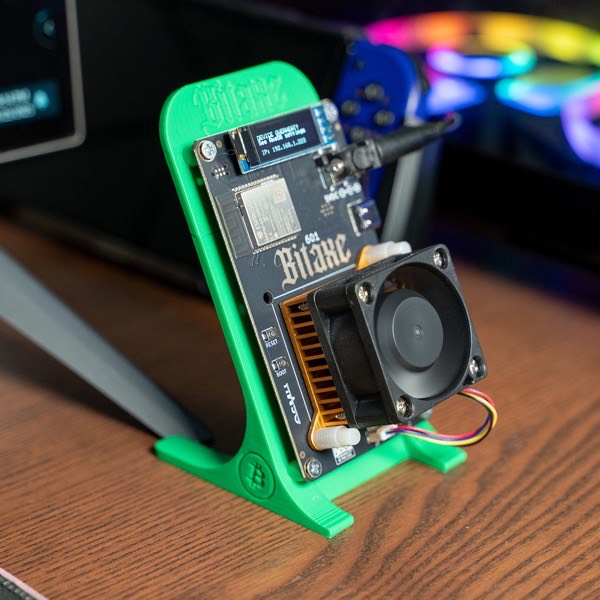
Bitaxe Gamma 601
Latest single-chip open-source miner using a BM1370 from the S21 Pro; 1.2 TH/s at just 18W with 15 J/TH efficiency.
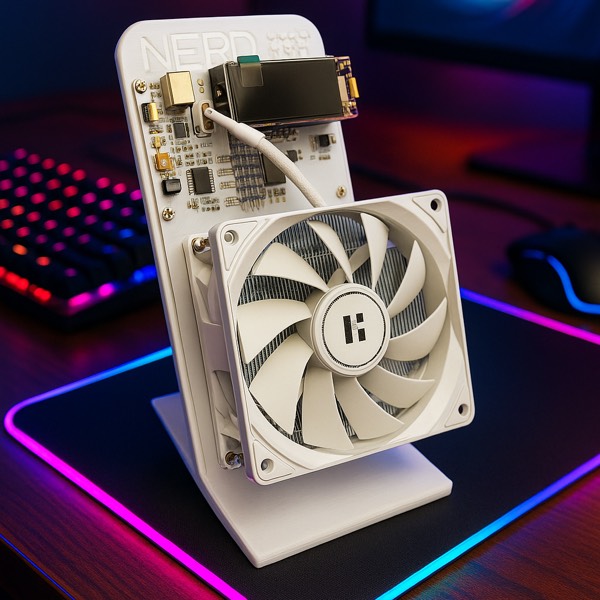
NerdQAxe++
Quad-chip open-source miner with 4× BM1370 ASICs, LCD display, and WiFi; popular mid-range home miner at 4.8 TH/s.

Apollo III
US-built 3nm home miner and full node with 8-core ARM, 2 TB SSD; Eco mode under 35 dB at 15 J/TH, Turbo up to 18 TH/s.
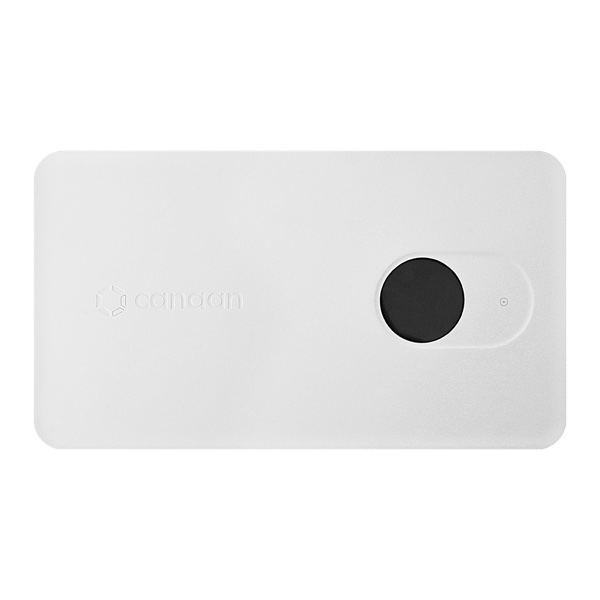
Avalon Nano 3S
Updated Nano with 50% more hashrate at the same 140W; WiFi/Ethernet, web interface, and quiet enough for home use.
| Miner | Hash Rate | Power | Efficiency | Status |
|---|---|---|---|---|
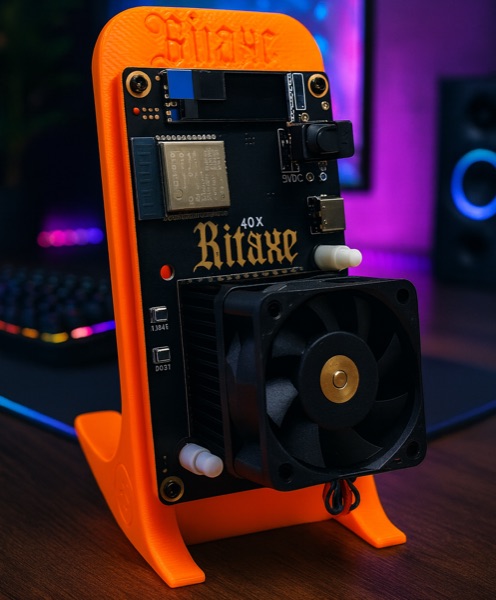 Bitaxe Ultra 204
|
500 GH/s | 11W | 22.0 J/TH | Available |
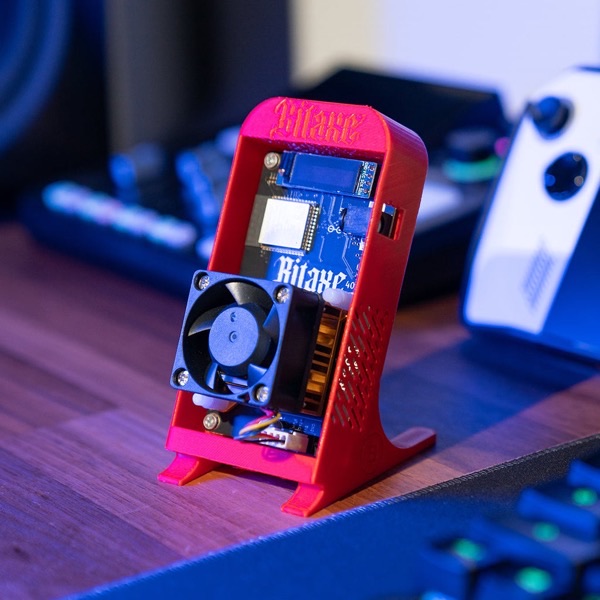 Bitaxe Supra 402
|
700 GH/s | 14W | 20.0 J/TH | Available |
|
Bitaxe Gamma 601
|
1.2 TH/s | 18W | 15.0 J/TH | Available |
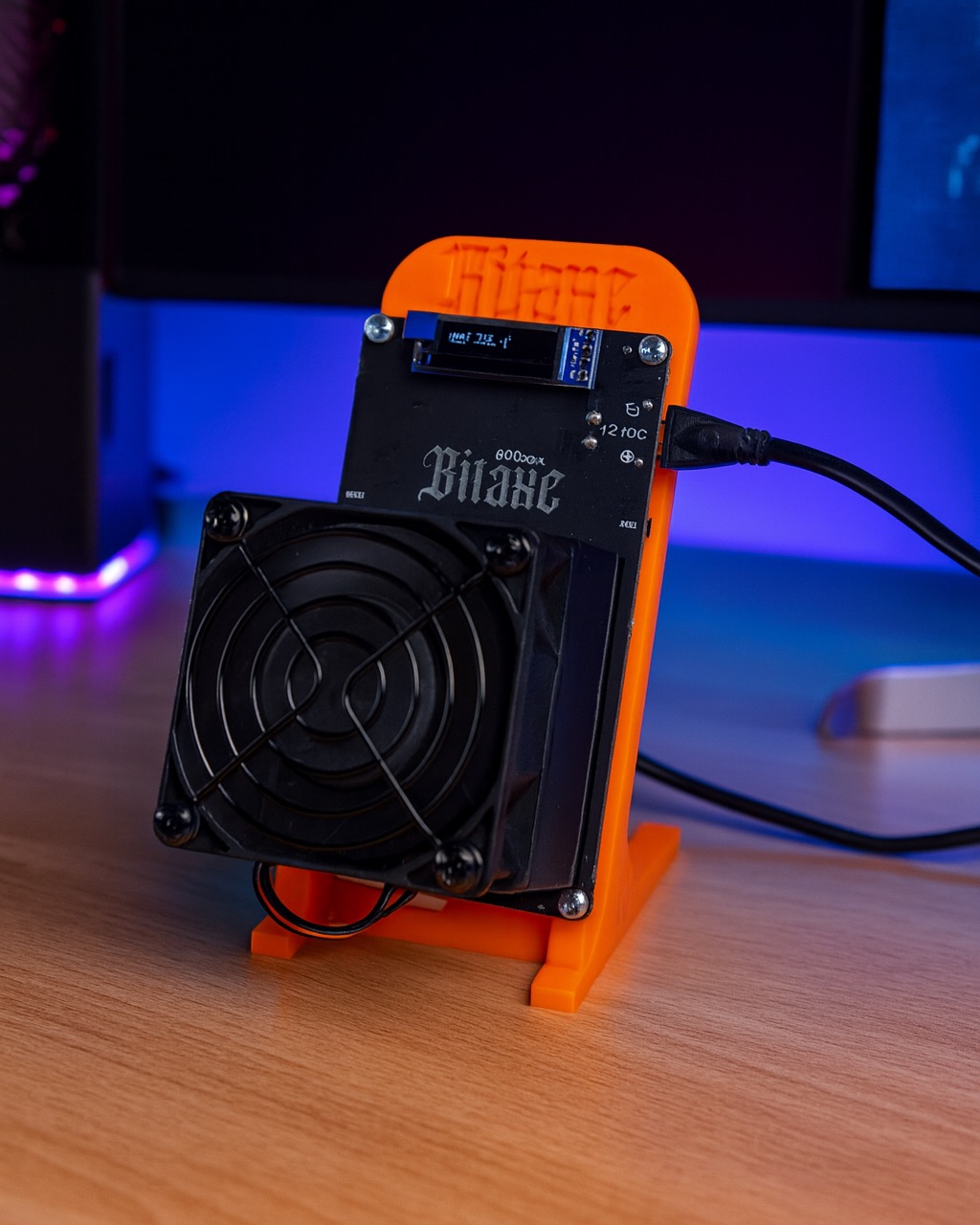 Bitaxe GT 801
|
2.15 TH/s | 43W | 18.0 J/TH | Available |
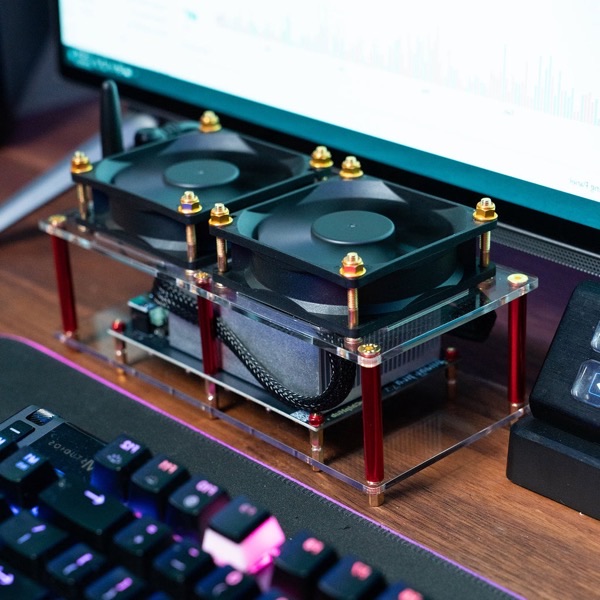 Bitaxe Hex
|
3.2 TH/s | 65W | 20.0 J/TH | Available |
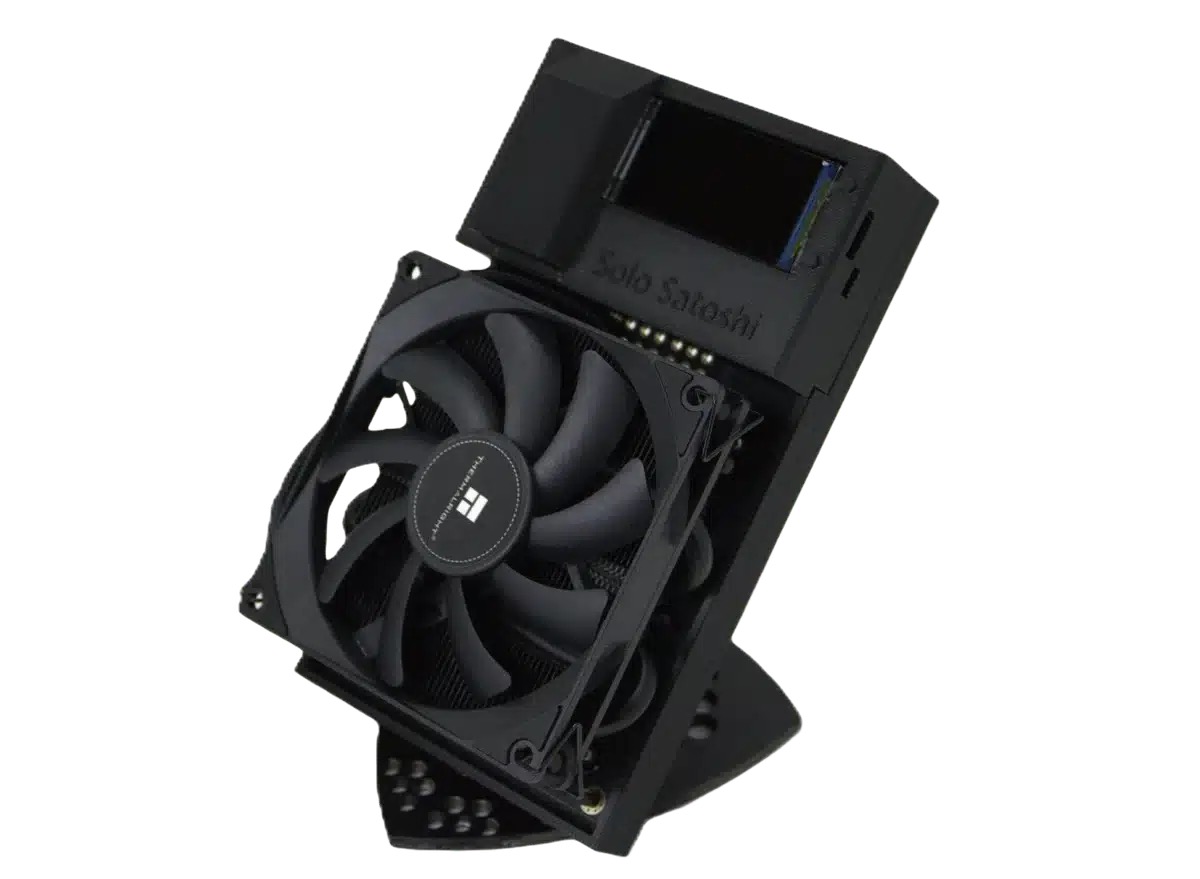 NerdQAxe+
|
2.5 TH/s | 50W | 20.0 J/TH | Available |
|
NerdQAxe++
|
4.8 TH/s | 72W | 15.0 J/TH | Available |
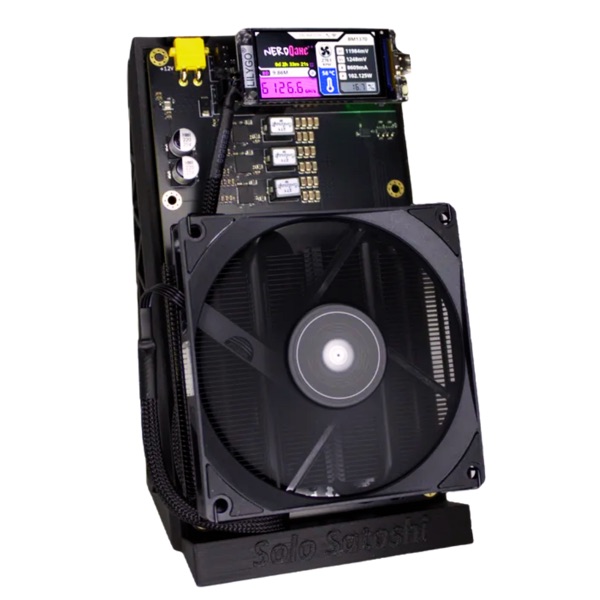 NerdQAxe++ Rev 6.1
|
6 TH/s | 100W | 16.7 J/TH | Available |
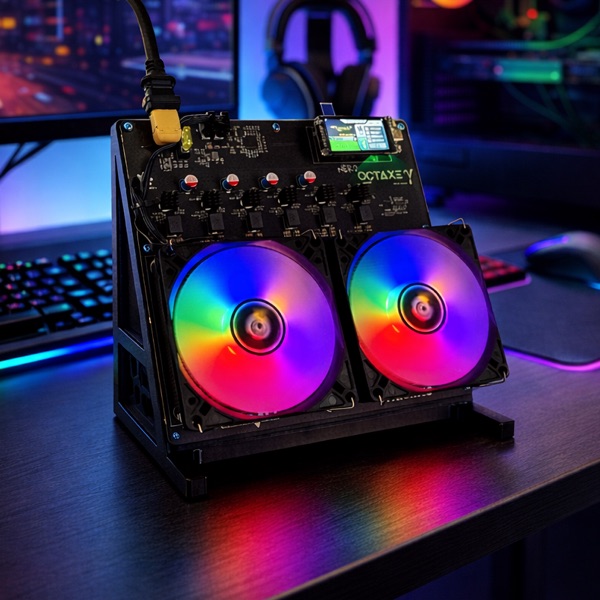 NerdOCTAxe Rev 3.1
|
12 TH/s | 240W | 20.0 J/TH | Available |
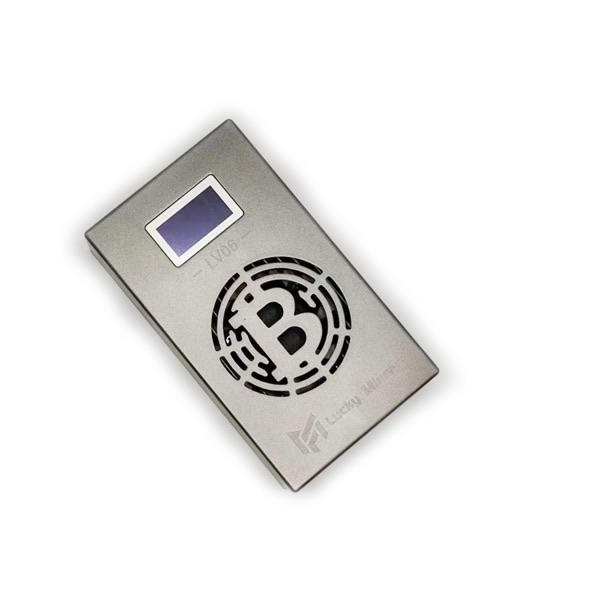 Lucky Miner LV06
|
500 GH/s | 13W | 26.0 J/TH | Available |
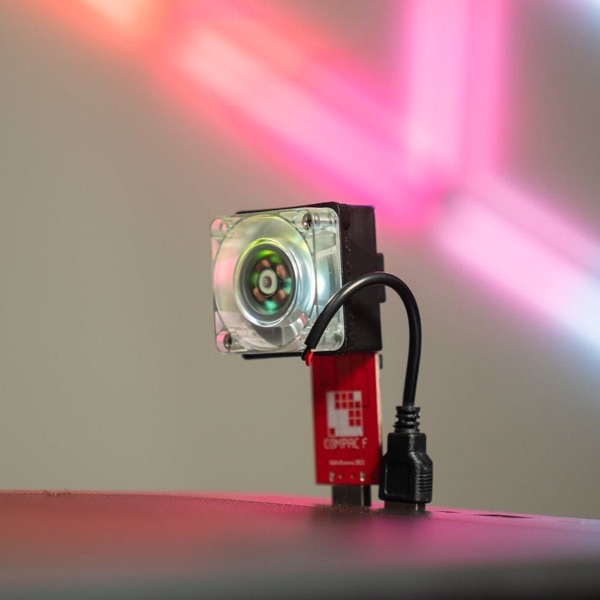 GekkoScience Compac F
|
300 GH/s | 10W | 33.3 J/TH | Available |
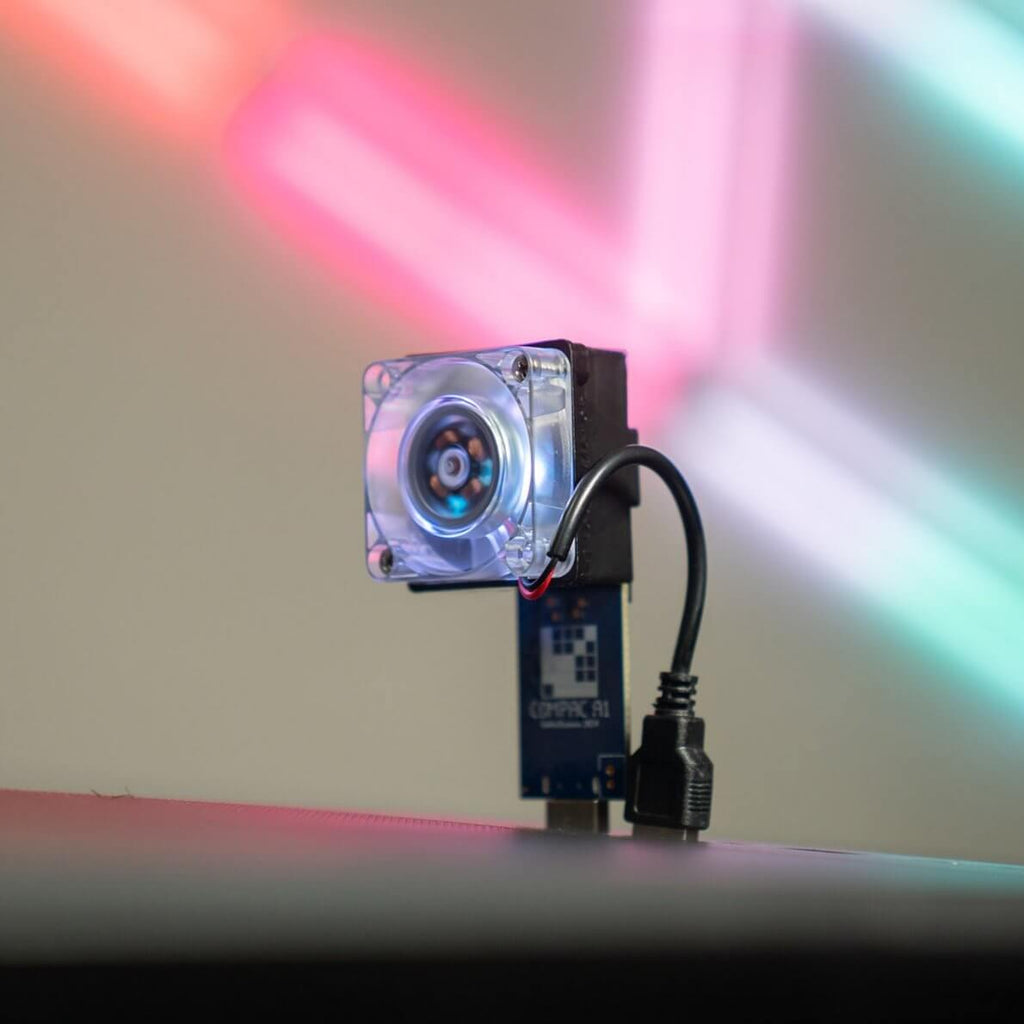 GekkoScience Compac A1
|
400 GH/s | 15W | 37.5 J/TH | Available |
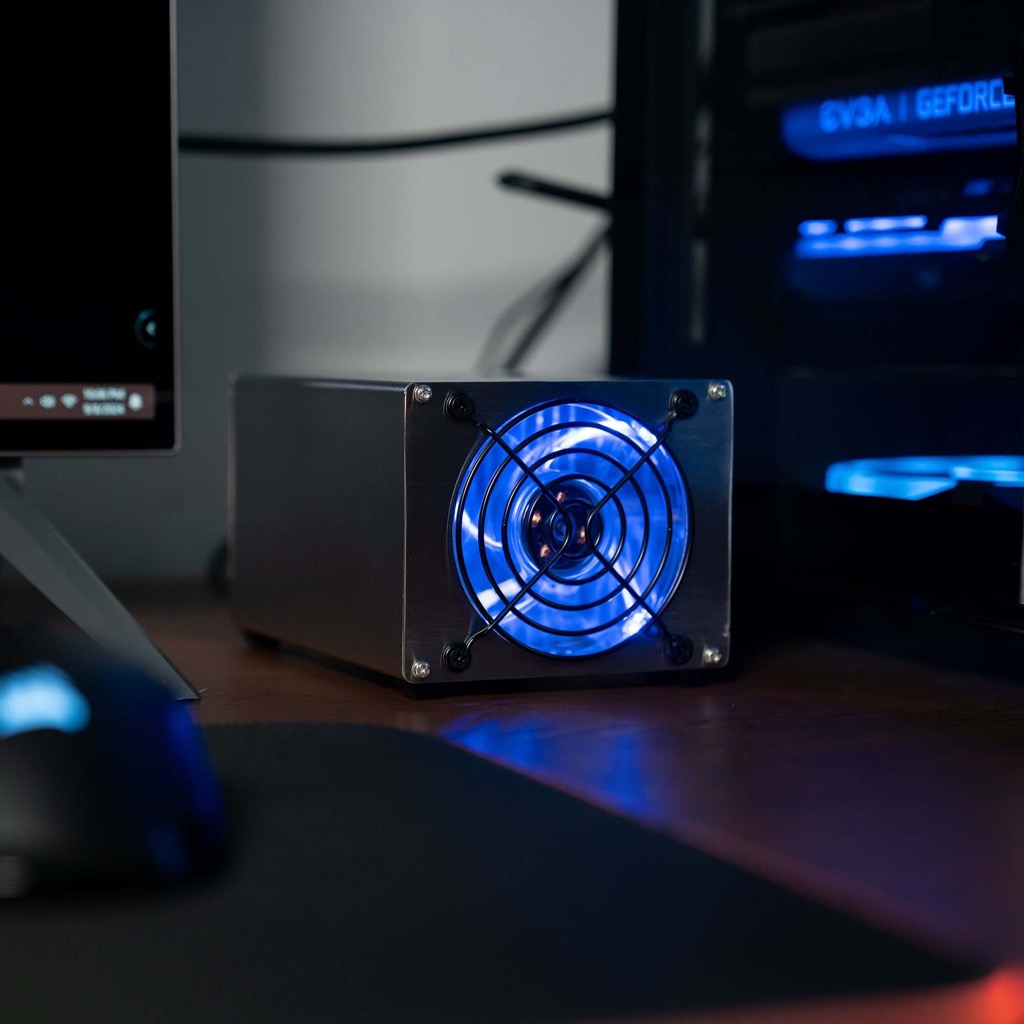 GekkoScience Terminus R909
|
1.6 TH/s | 70W | 43.8 J/TH | Available |
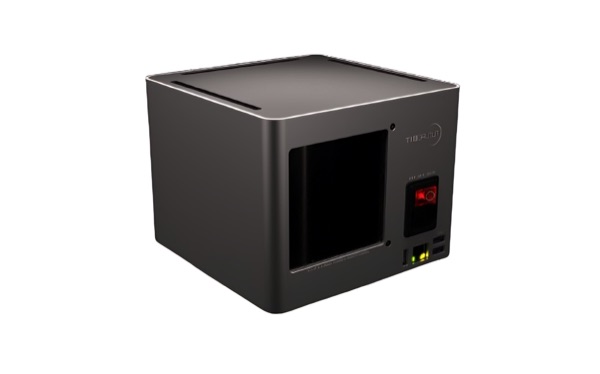 Apollo II
|
8 TH/s | 275W | 34.4 J/TH | Available |
|
Apollo III
|
12 TH/s | 180W | 15.0 J/TH | Available |
 Avalon Nano 3
|
4 TH/s | 140W | 35.0 J/TH | Available |
|
Avalon Nano 3S
|
6 TH/s | 140W | 23.3 J/TH | Available |
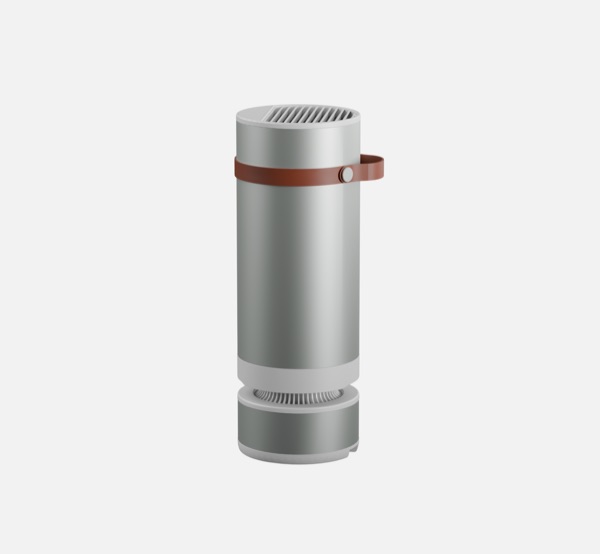 Heatbit Trio
|
10 TH/s | 400W | 40.0 J/TH | Available |
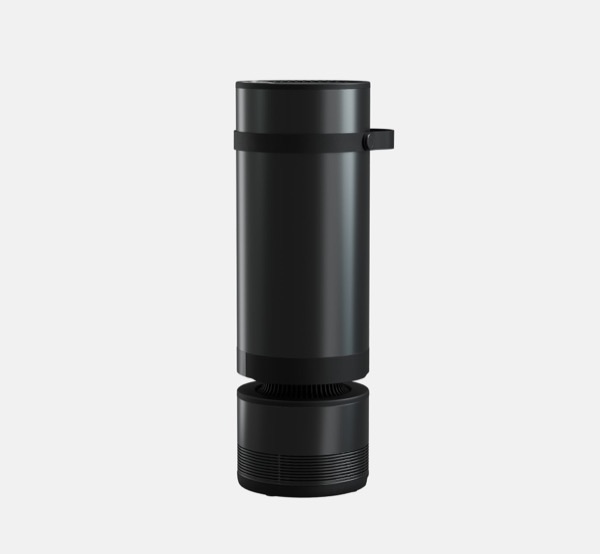 Heatbit Maxi Pro
|
60 TH/s | 1500W | 25.0 J/TH | Available |
High-Performance: Air-Cooled Miners
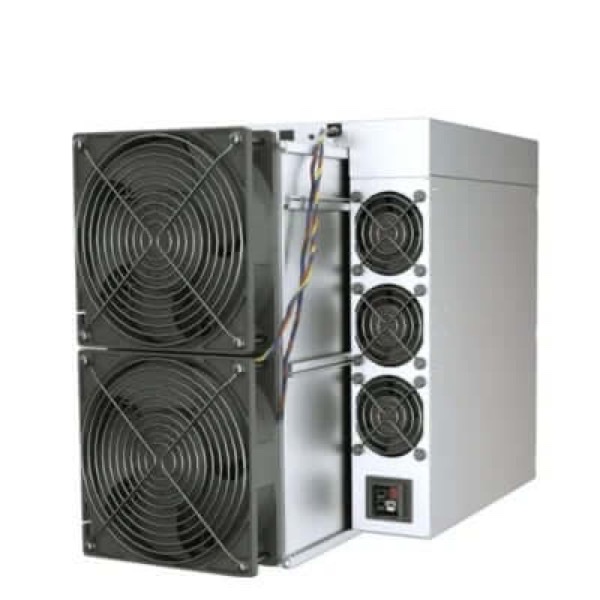
Antminer S21 XP
Bitmain's top air-cooled miner with 5nm chips delivering class-leading 13.5 J/TH efficiency.
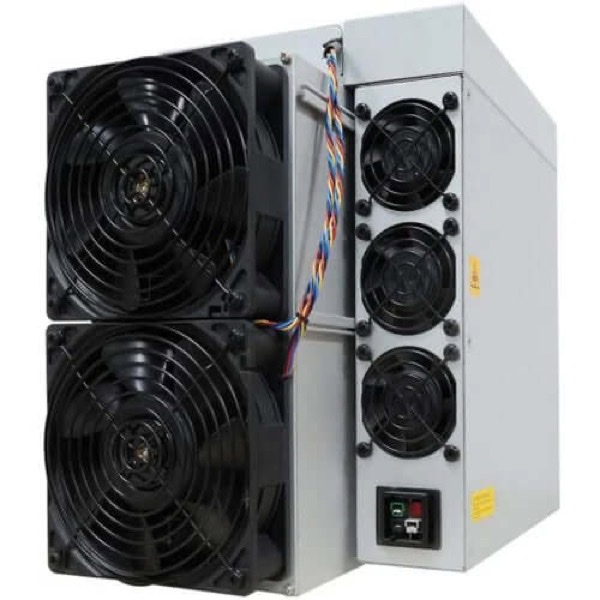
Antminer S21 Pro
High-performance air-cooled unit offering strong efficiency at 15 J/TH in a proven form factor.
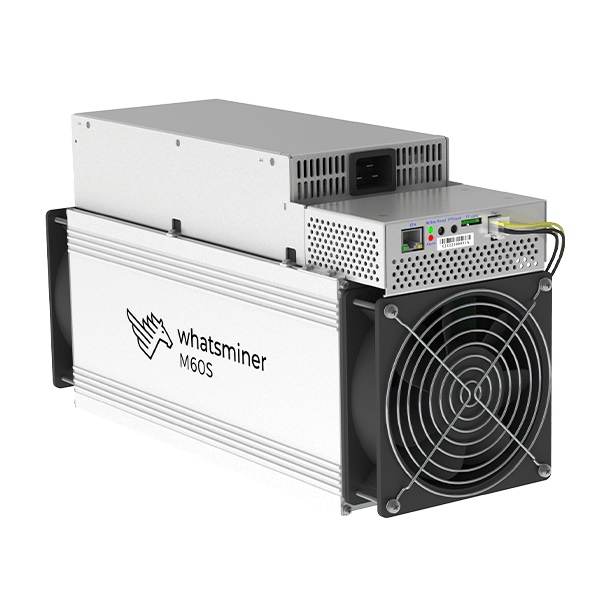
Whatsminer M60S
MicroBT's flagship air-cooled model with reliable performance and solid 18.5 J/TH efficiency.
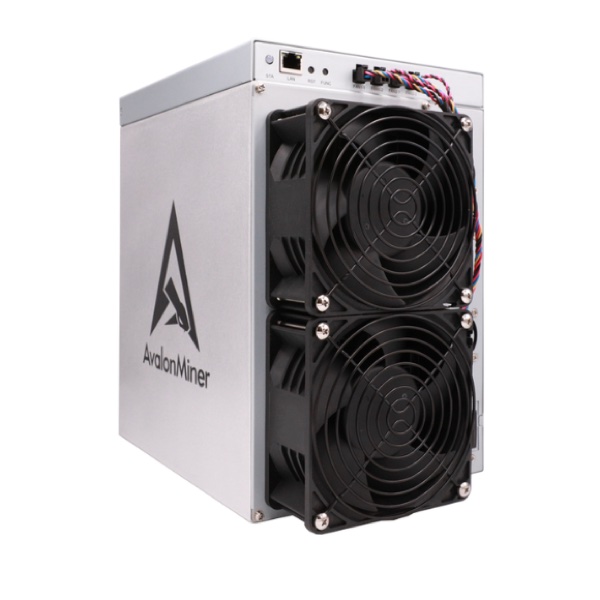
Avalon A15 Pro
Canaan's latest air-cooled ASIC, competitive at 16.65 J/TH with 220 TH/s output.
| Miner | Hash Rate | Power | Efficiency | Status |
|---|---|---|---|---|
|
Antminer S21 XP
|
270 TH/s | 3645W | 13.5 J/TH | Available |
|
Antminer S21 Pro
|
234 TH/s | 3510W | 15.0 J/TH | Available |
|
Whatsminer M60S
|
186 TH/s | 3441W | 18.5 J/TH | Available |
|
Avalon A15 Pro
|
220 TH/s | 3662W | 16.65 J/TH | Available |
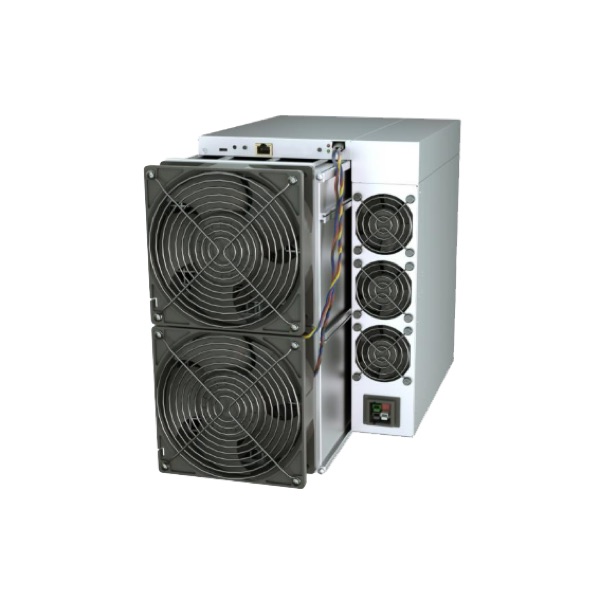 Antminer S23
|
318 TH/s | 3498W | 11.0 J/TH | Available |
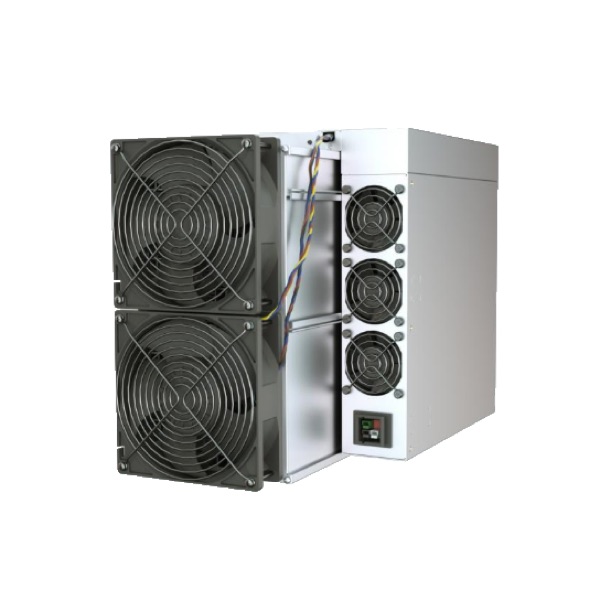 Antminer S21+
|
235 TH/s | 3877W | 16.5 J/TH | Available |
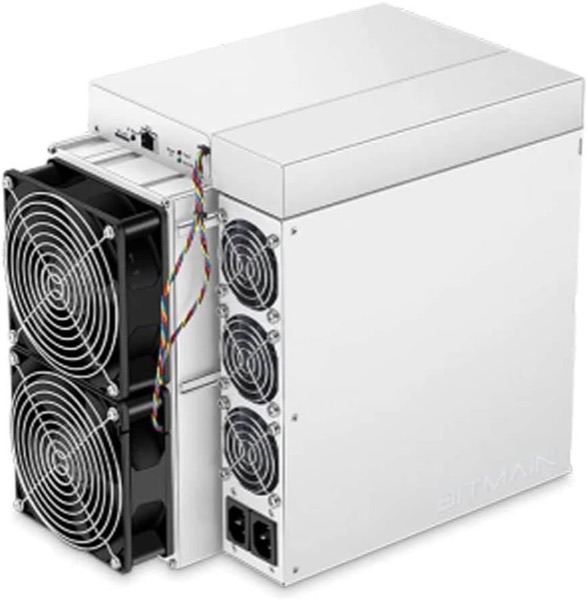 Antminer S21
|
200 TH/s | 3500W | 17.5 J/TH | Available |
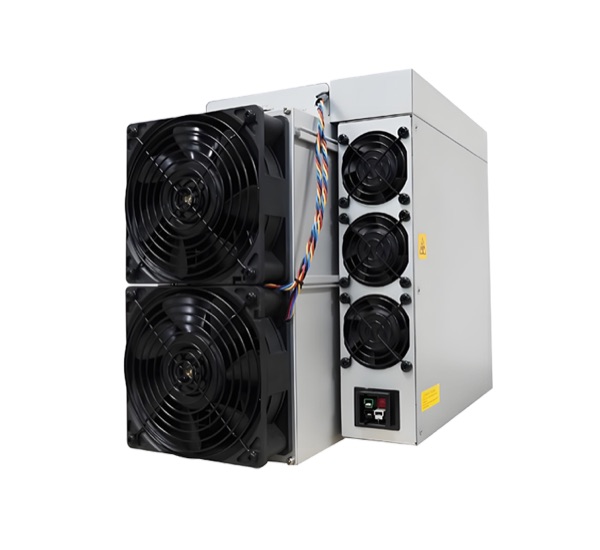 Antminer T21
|
190 TH/s | 3610W | 19.0 J/TH | Available |
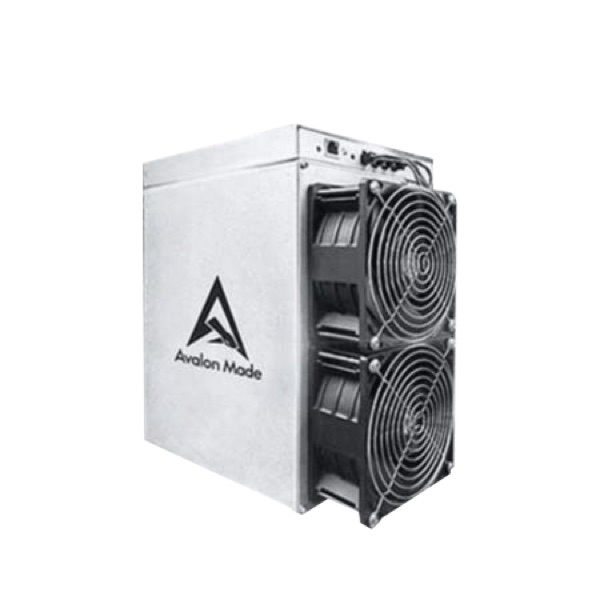 Avalon A1566
|
185 TH/s | 3420W | 18.5 J/TH | Available |
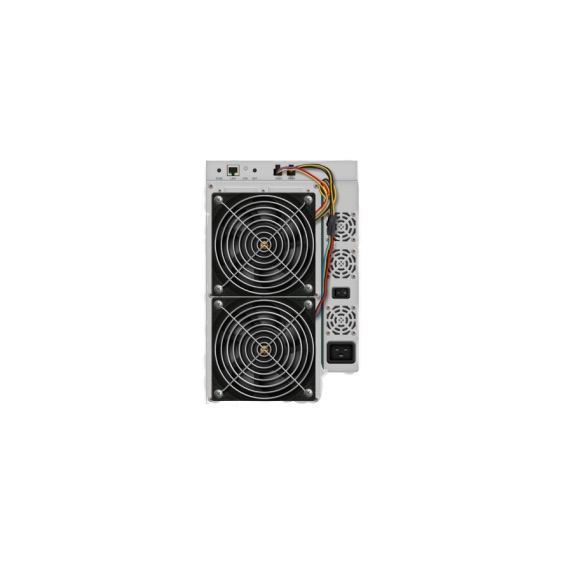 Avalon A1466
|
150 TH/s | 3230W | 21.5 J/TH | Available |
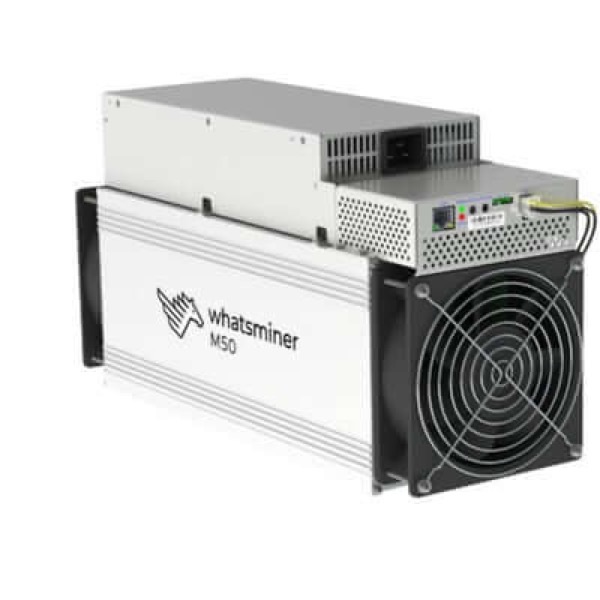 Whatsminer M50S++
|
160 TH/s | 3520W | 22.0 J/TH | Available |
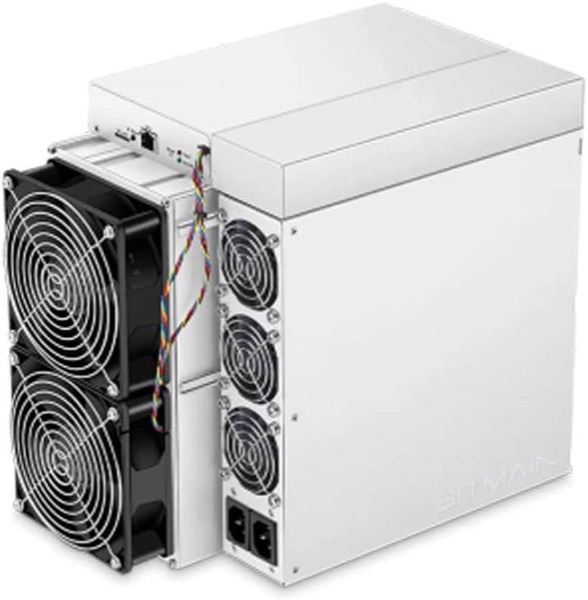 Antminer S19 XP
|
140 TH/s | 3010W | 21.5 J/TH | Available |
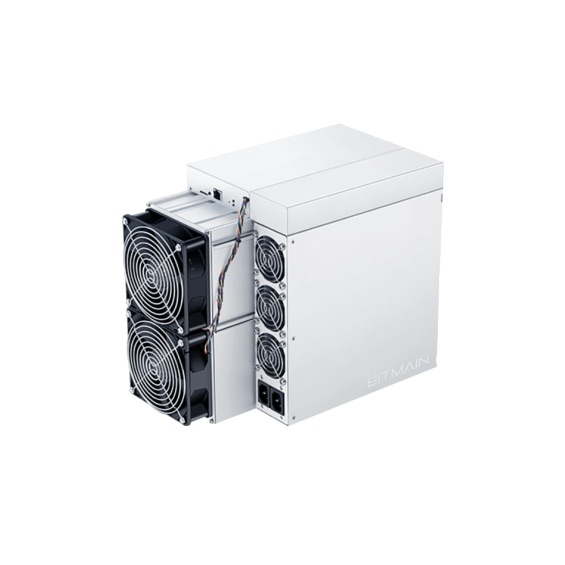 Antminer S19k Pro
|
120 TH/s | 2760W | 23.0 J/TH | Available |
High-Performance: Hydro-Cooled Miners
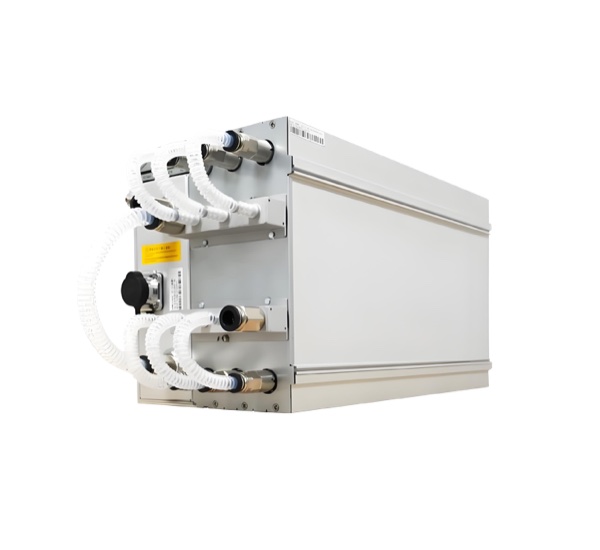
Antminer S23 Hyd
Bitmain's hydro-cooled powerhouse delivering 580 TH/s at an exceptional 9.5 J/TH.
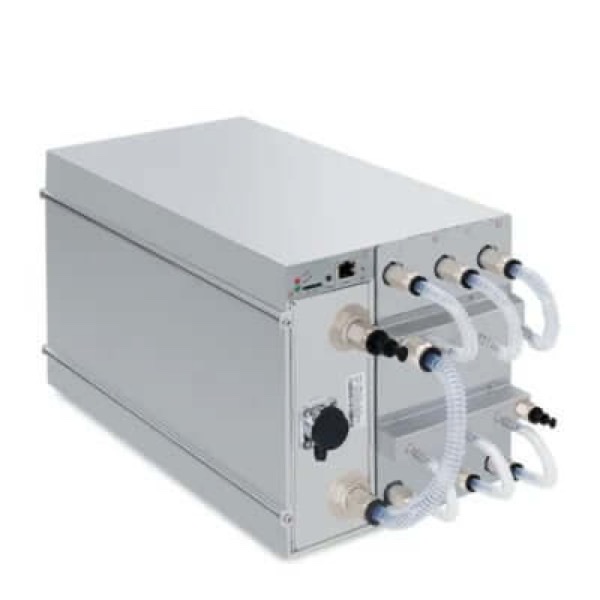
Antminer S21 XP Hyd
Hydro-cooled S21 XP variant pushing 473 TH/s at 12 J/TH for serious operations.
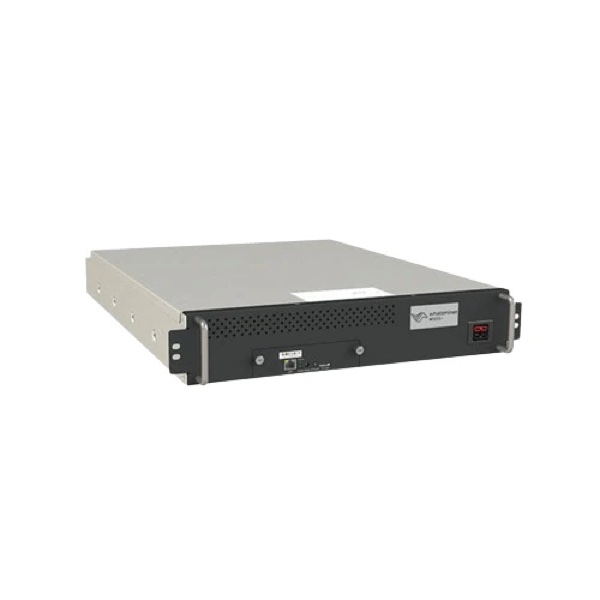
Whatsminer M63S
MicroBT's high-output hydro-cooled unit producing 390 TH/s at 18.5 J/TH.
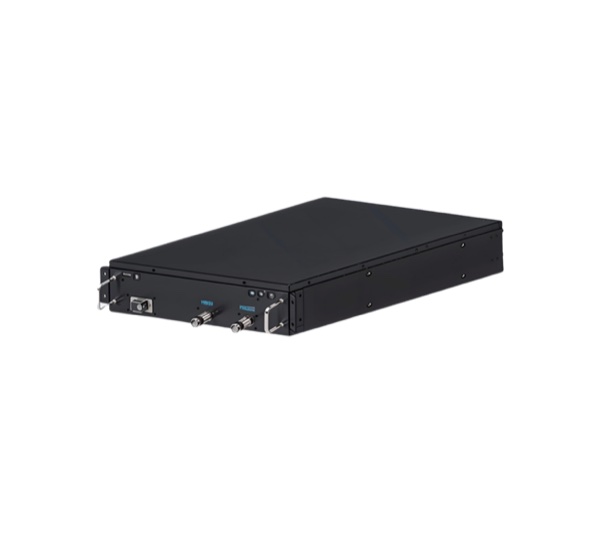
Antminer S23 Hyd 3U
Rack-mounted hydro-cooled beast delivering 1,160 TH/s at 9.5 J/TH for industrial operations.
| Miner | Hash Rate | Power | Efficiency | Status |
|---|---|---|---|---|
|
Antminer S23 Hyd
|
580 TH/s | 5510W | 9.5 J/TH | Available |
|
Antminer S21 XP Hyd
|
473 TH/s | 5676W | 12.0 J/TH | Available |
|
Whatsminer M63S
|
390 TH/s | 7215W | 18.5 J/TH | Available |
|
Antminer S23 Hyd 3U
|
1160 TH/s | 11020W | 9.5 J/TH | Available |
High-Performance: Immersion-Cooled Miners
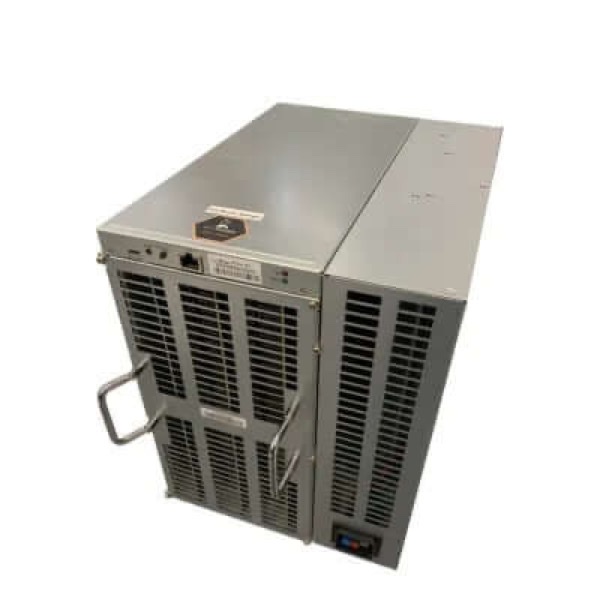
Antminer S21 XP Immersion
Bitmain's immersion-optimized S21 XP delivering 300 TH/s at best-in-class 13.5 J/TH.
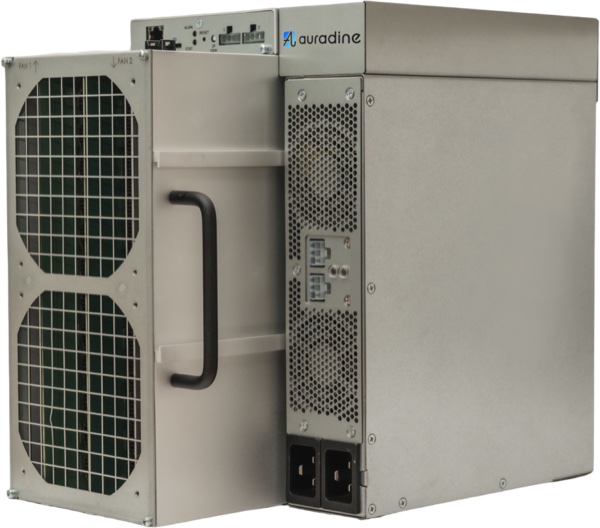
Auradine Teraflux AI3680
Auradine's high-output immersion miner pushing 375 TH/s at 15 J/TH from a new entrant.
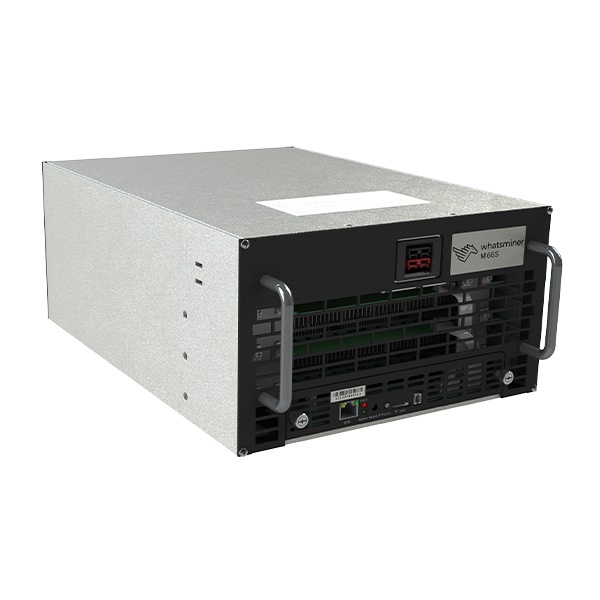
Whatsminer M66S++
MicroBT's top immersion model with 348 TH/s at 15.5 J/TH efficiency.
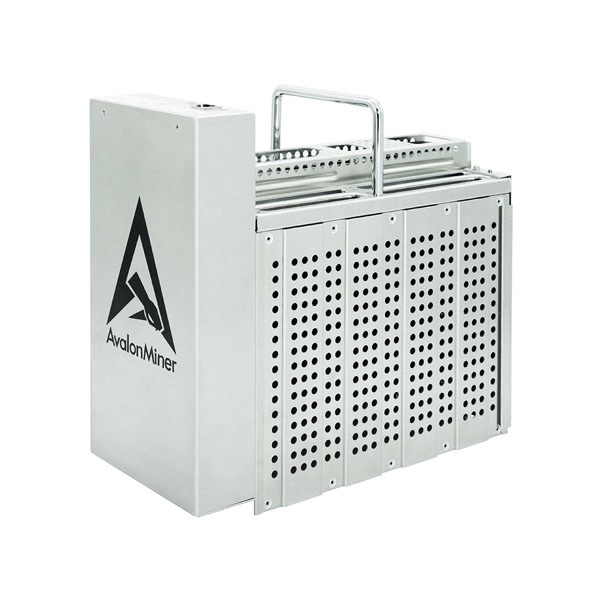
Avalon A1566I
Canaan's immersion-cooled ASIC delivering 261 TH/s at 17.2 J/TH.
| Miner | Hash Rate | Power | Efficiency | Status |
|---|---|---|---|---|
|
Antminer S21 XP Immersion
|
300 TH/s | 4050W | 13.5 J/TH | Available |
|
Auradine Teraflux AI3680
|
375 TH/s | 5625W | 15.0 J/TH | Available |
|
Whatsminer M66S++
|
348 TH/s | 5394W | 15.5 J/TH | Available |
|
Avalon A1566I
|
261 TH/s | 4500W | 17.2 J/TH | Available |
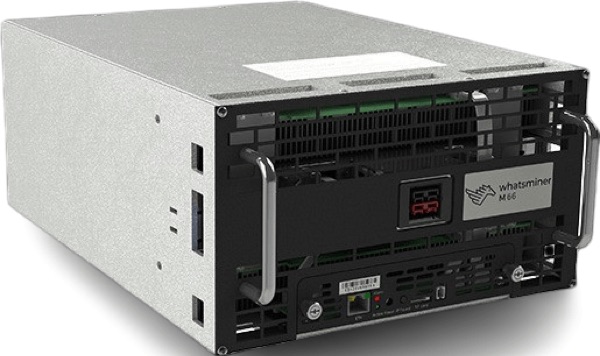 Whatsminer M66S
|
298 TH/s | 5513W | 18.5 J/TH | Available |
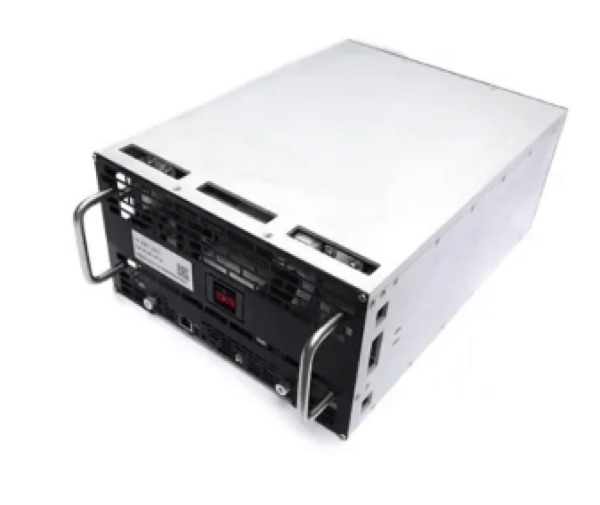 Whatsminer M56S++
|
254 TH/s | 5588W | 22.0 J/TH | Available |
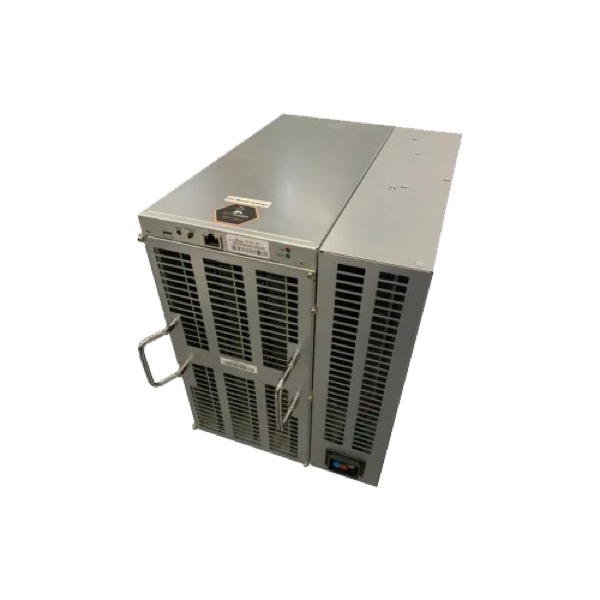 Antminer S23 Immersion
|
442 TH/s | 5304W | 12.0 J/TH | Available |

- Hash Rate
- Power
- Efficiency
- Cooling
- Status